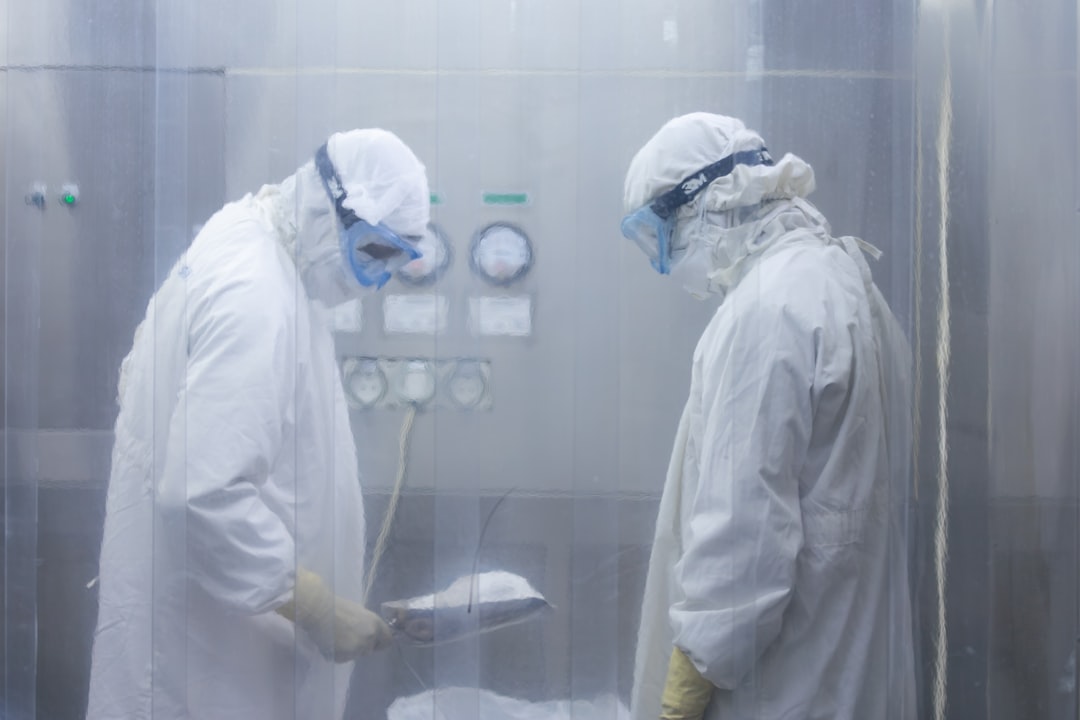

The wrong company can leave behind contamination that's invisible but dangerous, create liability exposure, and produce documentation that your insurer won't accept. Here's exactly what to look for — and what to avoid.
Why This Decision Matters More Than Most
Biohazard remediation isn't a category where "good enough" is an acceptable standard. Bloodborne pathogens — hepatitis B and C, HIV, and others — can survive on surfaces long after a scene looks clean. Decomposition material can penetrate porous substrates that require removal, not just disinfection. Odor compounds can be temporarily masked and return weeks later once the unit is sealed.
A credentialed, experienced company will identify and address all of this. An uncredentialed one often won't.
Credentials and Certifications to Require
Before you agree to any work, ask for documentation of the following:
- OSHA Bloodborne Pathogen Training (29 CFR 1910.1030) — this is the federal standard for workers who handle potentially infectious material. Any technician entering a biohazard scene should have current certification
- IICRC Certification — the Institute of Inspection, Cleaning and Restoration Certification sets industry standards for remediation work. Look for technicians certified in Applied Microbial Remediation (AMRT) or Water Damage Restoration (WRT) depending on the scope
- Texas Department of State Health Services (DSHS) compliance — biohazardous waste in Texas is regulated material. A compliant company will have documented procedures for transport and disposal through a licensed medical waste vendor
- General liability and pollution liability insurance — standard general liability policies often exclude pollution or contamination claims. A biohazard remediation company should carry a pollution liability endorsement specifically covering biological contamination
Questions to Ask Before Hiring
Use these as a screening checklist when you get a company on the phone:
- How do you handle waste disposal, and who is your licensed medical waste vendor? A legitimate company will have a named vendor and a manifest process.
- Do you provide a written scope of work and itemized estimate before beginning? Any company that asks you to sign a blank authorization form should be declined immediately.
- Do you work with insurance companies directly, and can you provide documentation for my adjuster? A good company has done this dozens of times and knows what documentation carriers require.
- What is your clearance testing protocol? ATP testing, air sampling, or surface swabbing should be standard. If they don't test — they're not actually verifying the work is done.
- What happens if contamination is found under the flooring or inside walls? The answer should involve removal of affected materials, not surface treatment on top of them.
Red Flags to Watch For
- Unusually low estimates — biohazard remediation involves regulated labor, PPE, and licensed waste disposal. A quote that's significantly below market often reflects corners being cut on one or all of these
- No written contract or scope of work — verbal agreements leave you exposed if the work is incomplete or disputed by your insurer
- Pressure to start immediately without documentation — a professional company understands that documentation comes first
- No clearance testing offered — this is the only way to verify that a scene has been properly remediated. Skipping it is a liability risk for you as the property owner
- General cleaning companies offering biohazard services — the equipment, training, and waste disposal requirements are fundamentally different from standard janitorial work
How Pricing Works — and What's Reasonable
Biohazard remediation is priced by scope, not by the hour. Factors that affect cost include the type of event, how long the scene went unaddressed, the size of the affected area, and whether structural materials need to be removed.
As a general reference for the Houston market:
- Minor trauma scene (small area, prompt response): $1,500 – $4,000
- Unattended death (extended interval, larger area): $5,000 – $20,000+
- Sewage or Category 3 water intrusion: $2,000 – $10,000 depending on scope
Most homeowner and commercial property policies cover biohazard remediation. Get your insurance carrier involved before authorizing work — and make sure the company you hire is willing to work within that process.
Why Local Experience in Houston Matters
Houston's climate — extreme heat and humidity — accelerates decomposition and mold growth in ways that companies without local experience may underestimate. A scene that might remain stable for three days in a temperate climate can be significantly more advanced in a Houston summer. Local companies have calibrated their response protocols to the conditions here.
At Flat-Out Restoration, we've handled biohazard remediation across the greater Houston area for years. We're certified, insured, and experienced with the full spectrum of scenes — from minor trauma to extended unattended situations. We work directly with insurance carriers and provide complete documentation from initial assessment through clearance testing.
If you need to evaluate a situation or want a straightforward conversation about what remediation would involve, call us. We'll give you honest information before you make any decisions.
Need immediate assistance?
Call (832) 904-9001 or request a quote online.